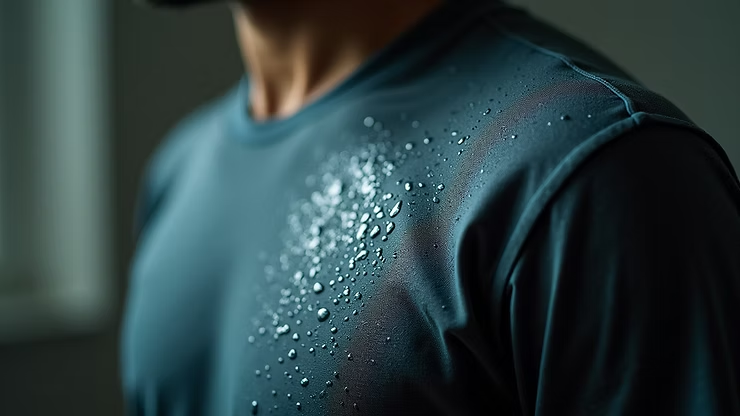
Excessive sweating, medically known as hyperhidrosis, can be a challenging condition to manage. It affects daily life, causing discomfort and sometimes embarrassment. Fortunately, there are many effective solutions for excessive sweating that can help control this condition. This article explores practical ways to treat hyperhidrosis, offering insights into medical options, lifestyle changes, and natural remedies.
Understanding Solutions for Excessive Sweating
Hyperhidrosis occurs when sweat glands produce more sweat than necessary to regulate body temperature. This can happen in specific areas like the hands, feet, underarms, or face. Understanding the causes and types of hyperhidrosis is the first step toward finding the right treatment.
Primary Hyperhidrosis
Usually localized and without an underlying medical cause.
Secondary Hyperhidrosis
Caused by other medical conditions or medications.
Effective management depends on identifying the type and severity of sweating. For mild cases, lifestyle adjustments may suffice. For more severe cases, medical interventions might be necessary.
Medical and Professional Solutions for Excessive Sweating
When lifestyle changes are not enough, professional hyperhidrosis treatments can provide relief. These include:
Antiperspirants
Clinical-strength antiperspirants containing aluminium chloride are often the first line of treatment. They block sweat glands temporarily and are available over the counter or by prescription.
Botox Injections
Botulinum toxin injections can block the nerves that trigger sweating. This treatment is effective for underarm sweating and can last several months.
Oral Medications
Certain medications reduce sweating by blocking sweat gland stimulation. These are usually prescribed when other treatments fail.
Iontophoresis
This procedure uses a device that passes a mild electrical current through water and into the skin's surface, reducing sweating, especially on hands and feet.
Surgery
In severe cases, surgical options like sympathectomy (cutting nerves that cause sweating) or sweat gland removal may be considered.
Each of these options has benefits and potential side effects, so consulting a healthcare professional is essential to choose the best approach.
How to Reduce Hyperhidrosis Naturally?
For those seeking natural ways to manage excessive sweating, several strategies can help reduce symptoms without medical intervention:
- Wear breathable fabrics: Natural fibres like cotton and linen allow better air circulation and reduce sweat accumulation.
- Maintain good hygiene: Regular washing and drying of sweat-prone areas can prevent bacterial growth and odor.
- Stay hydrated: Drinking plenty of water helps regulate body temperature and may reduce excessive sweating.
- Manage stress: Stress and anxiety can trigger sweating. Techniques such as meditation, yoga, or deep breathing exercises can help.
- Dietary adjustments: Avoid spicy foods, caffeine, and alcohol, which can increase sweating.
- Use natural antiperspirants: Ingredients like witch hazel, baking soda, or apple cider vinegar may help control sweat naturally.
While these methods may not eliminate hyperhidrosis, they can significantly improve comfort and confidence.
Lifestyle Changes to Manage Excessive Sweating
In addition to natural remedies, certain lifestyle changes can make a big difference in managing hyperhidrosis:
- Choose the right clothing: Loose-fitting clothes help air flow and reduce sweat buildup.
- Use absorbent pads or liners: These can be placed in shoes or underarms to absorb excess sweat.
- Keep a sweat diary: Tracking triggers such as foods, activities, or stress can help identify patterns and avoid them.
- Regular exercise: While exercise causes sweating, it also helps regulate the body's cooling system over time.
- Avoid hot environments: Staying in cool, air-conditioned spaces can reduce sweating episodes.
These practical tips can be combined with other treatments for better results.
When to Seek Professional Help for Hyperhidrosis
If excessive sweating interferes with daily activities or causes emotional distress, it is important to seek professional advice. A healthcare provider can diagnose the condition and recommend appropriate hyperhidrosis treatments. Early intervention can prevent complications such as skin infections or social anxiety.
For more detailed information on effective hyperhidrosis treatments, consulting a specialist or visiting a dedicated clinic is recommended. They can offer tailored solutions based on individual needs.
Key Takeaways
Managing hyperhidrosis is possible with the right approach. Whether through lifestyle changes, natural remedies, or medical treatments, relief is within reach.
By understanding the condition and exploring various options, individuals can regain control and improve their quality of life despite excessive sweating.
Ready to Address Your Hyperhidrosis?
Book your consultation today and let our expert team create a personalised treatment plan for your excessive sweating concerns.